
Deploying disconnected digital channels over legacy enterprise systems creates severe operational friction, broken handoffs, and client abandonment. Omnichannel Service Blueprinting bridges the divide between human expectations and complex enterprise architecture by tethering front-stage digital journeys directly to backstage automation and frontline teams. This Point of View outlines an integrated operating model that eliminates channel redundancy, aligns workforce enablement with client experience, and transforms fragmented touchpoints into sustained commercial velocity.
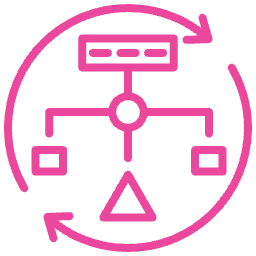
Siloed tools and disconnected departments cause customer context to drop across touchpoints. Enterprises must establish an interconnected operating core across Processes, Technology, and Data—synchronising internal workforce enablement with external B2B digital experience to preserve journey continuity and cut cost-to-serve.

Treating digital touchpoints as isolated platforms inflates overheads and induces client cognitive fatigue. Assigning strict functional mandates across Primary, Secondary, and Tertiary channels prevents interface duplication, routes routine queries to automated triage, and protects advisory capacity for high-value exception handling.
Static interfaces fail when decoupled from core systems. Omnichannel Service Blueprinting maps self-service client actions directly onto frontline workflows, APIs, and legacy ERP/CRM ledgers—eliminating repetitive KYC verifications and interaction signals into real-time, context-aware engagement.